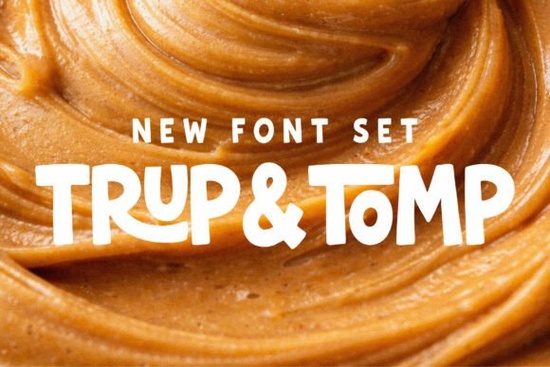
Trup & Tomp Font is a playful duo that brings bold personality and warm character into creative projects. If you are a designer, print-on-demand seller, or hobbyist looking for a versatile pair of typefaces, this set combining a chunky hand-drawn display sans with a smooth handwritten script can help you create eye-catching headlines, branding, packaging, posters, and social media graphics. Let’s explore how to get the most out of it.
What makes Trup & Tomp Font different from other font duos?
Many font pairs include a serif and a sans serif. Trup & Tomp goes for contrast in mood: one side is bold, playful, and slightly irregular (the display sans), while the other is fluid, friendly, and script-like. Together they create a dynamic look that feels handmade and approachable. The display weight works great for short titles or large words, and the script balances it with a softer rhythm for subheadings or accents. Because both fonts share a warm, casual personality, they blend well without clashing.
Is it suitable for children’s designs and educational materials?
Absolutely. The rounded, chunky shapes of the display font are naturally inviting for kids’ book covers, flashcards, or nursery decor. The script adds a personal, handwritten touch that feels less formal than typed text. For example, you could use the bold sans for the main title of a children’s party invitation and the script for the name of the child. The same approach works for worksheets, activity books, or even stickers. Many designers also pair this duo with simple illustrations or bright colors for a cohesive, playful look.
Can you use Trup & Tomp for branding and packaging?
Yes, and it’s particularly effective for small businesses, craft brands, or lifestyle products. The display font brings instant recognition on product labels, while the script adds a human, conversational tone. Imagine a coffee bag with a bold “BREW” in the display face and a tagline like “made slowly, loved fast” in the script – the contrast draws attention and tells a story. For retro magic display fonts with a nostalgic feel, this duo offers modern warmth instead of vintage precision, which can appeal to audiences looking for something fresh yet grounded.
For packaging, you can scale the display font for the main product name and use the script for ingredients, origin, or a short note. Because both fonts are highly legible at moderate sizes, they work on boxes, jars, and bags without sacrificing readability.
What kind of projects does it excel in besides branding?
Trup & Tomp is versatile enough for social media graphics, posters, event flyers, and even short quotes for wall art. The script font has a natural flow that mimics real handwriting, so it feels personal in quotes or invitations. The display font, with its sturdy shapes, holds up well in large formats like banners or signage. If you are a print-on-demand seller, consider using the duo for T-shirt designs, mugs, or tote bags – the bold letters stand out on fabric, and the script adds a handcrafted feel. For a more energetic look, you can layer the script over the display font (as a drop shadow or outline) to create depth.
How does it compare to other bold display fonts?
Many bold display fonts are either heavy geometric or purely decorative. Trup & Tomp sits in a sweet spot: it’s bold and chunky but still looks hand-drawn, which gives it a friendly, less corporate appearance. Compared to steel display fonts that feel industrial and rigid, this duo is softer and more inviting. For kids-oriented projects, it aligns well with bold kids display fonts while still being versatile enough for adult-focused lifestyle branding. The script component makes it especially useful for projects that need a human touch.
Are there any limitations to be aware of?
Because the display font is chunky and hand-drawn, it may not work well for long blocks of body text – it’s best reserved for headlines, callouts, or a few words. Similarly, the script font, while clear, is not designed for extensive paragraphs. So the duo is ideal for projects where you want strong visual impact rather than extended readability. Also, if you need to match a very specific brand color or layout, test both fonts at different sizes to ensure they complement each other, especially when stacked vertically.
Practical tips for using Trup & Tomp Font duo effectively
- Pair the display and script fonts at a 3:1 size ratio – make the display much larger for headlines and the script smaller for subheadings or details.
- Use the script as an accent (e.g., for a single word or a short phrase) to avoid overwhelming the layout.
- Keep the background simple – because both fonts have character, busy patterns can clutter the message.
- Experiment with color: the display font looks great in solid bright colors, while the script can use a slightly lighter shade for a layered effect.
- Combine with simple icons or doodles to reinforce the playful, handcrafted vibe.
What if you need more variety in a font duo?
If this style appeals to you but you want even more contrast or an alternative script, check out rainbow darling duo display fonts for a colorful, whimsical approach, or legacy college display fonts for a more structured, athletic feel. Every project has its own voice – sometimes a playful duo like Trup & Tomp is exactly what you need, and sometimes you want something punchier or more refined.
Next step: test Trup & Tomp in your current project
To see if this duo fits your workflow, download the font set and try it on a sample layout: a social media post, a product mockup, or a simple poster. Adjust the spacing between the two fonts and see how they interact at different sizes. If you’re working on a print-on-demand design, create a short mockup with the bold sans for the product name and the script for a fun tagline. That quick test will tell you whether the personality of Trup & Tomp Font aligns with your brand or client needs.
Checklist before buying:
- Confirm you have a project where short, bold headlines and handwritten accents are the main focus.
- Test the duo in both digital and print previews to ensure legibility at your target sizes.
- Experiment with color combinations that match the warm, playful mood.
- If you plan to use it for commercial products, verify the license covers your usage (e.g., print-on-demand, merchandise).
- Prepare a simple mood board with other elements (illustration, photos) to see if the fonts blend seamlessly.
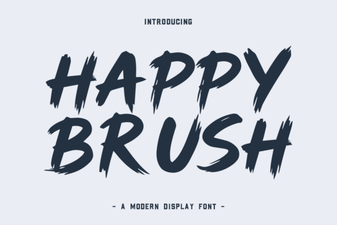 Craft Joyful Designs with Happy Brush Font
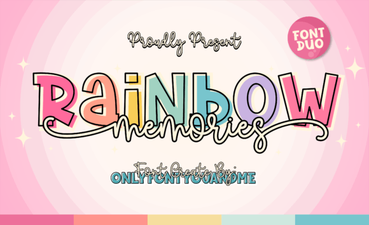 Rainbow Memories Font: Creative Design Inspiration
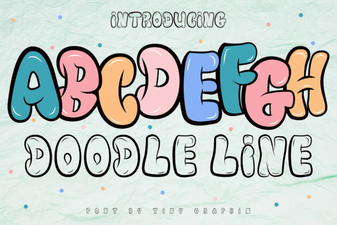 Creative Projects with Doodle Line Fonts
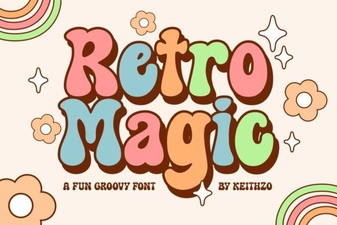 Reviving Classic Style with Retro Magic Fonts
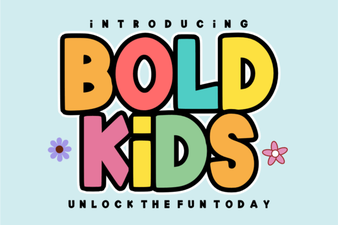 Designing with Bold Kids Font: Tips & Projects
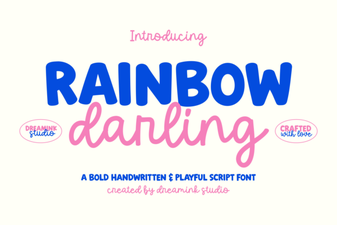 Rainbow Darling Duo Font: Design Ideas & Creative Uses